
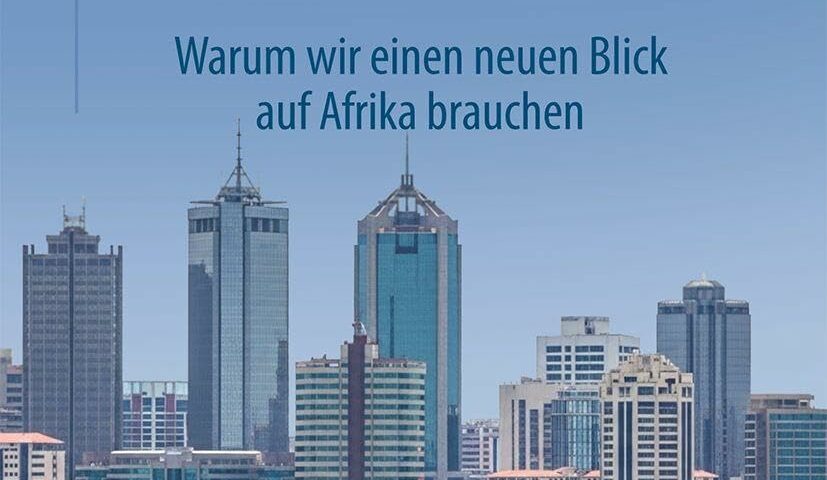
Frankfurt a. M., 08/01/2026: The Frankfurter Allgemeine Zeitung (FAZ) published an article on “Das afrikanische Jahrzehnt: Warum wir einen neuen Blick auf Afrika brauchen“, the new book by Stefan Liebing. The article outlines the book’s central arguments and emphasizes that global climate targets cannot be achieved without sustainable development in Africa. It highlights Africa’s growing importance for Europe’s prosperity, security, and international influence.
Climate Goals and Energy Development
The current situation on the African continent is tense. More than 600 million Africans lack access to electricity. Within the next 20 years Africa’s population will grow by over one billion people. Those developments result in a sharp rise in energy demand. Liebing warns if fossil fuels dominate this growth, the additional emissions will outweigh Europe’s climate savings. Without sustainable energy development in Africa, global climate targets cannot be met.
Jobs, Migration and Europe’s Role
The current situation in Africa is characterized by an economic lack of prospects, especially for young people, which drives to instability and migration. Each year 13-20 million people enter the labor market, but only around 3 million formal jobs are created. This leads to underemployment and migration. The migration is primarily an economic, not a security challenge.
According to Liebing investment, industrialization, and local value creation are essential solutions. Africa is gaining geopolitical importance and will shape the “African decade” of the 2030s.
More information (german): https://www.faz.net/pro/weltwirtschaft/weltwissen/neues-buch-ohne-nachhaltiges-afrika-werden-die-klimaziele-verfehlt-accg-200409710.html